Etiquette, Side Dish Refills, and Tipping Culture
“Did you eat yet?” is a loving greeting that Koreans offer. For Koreans, meals are paramount, so making sure their loved ones eat well has become a way of greeting them. Meals aren’t just sustenance in Korea; they’re crucial times for sharing warmth with others. To enjoy a delightful experience with delicious Korean food, remember a few aspects of Korean dining culture and etiquette!
① The side dishes (bokkeumbap) culture
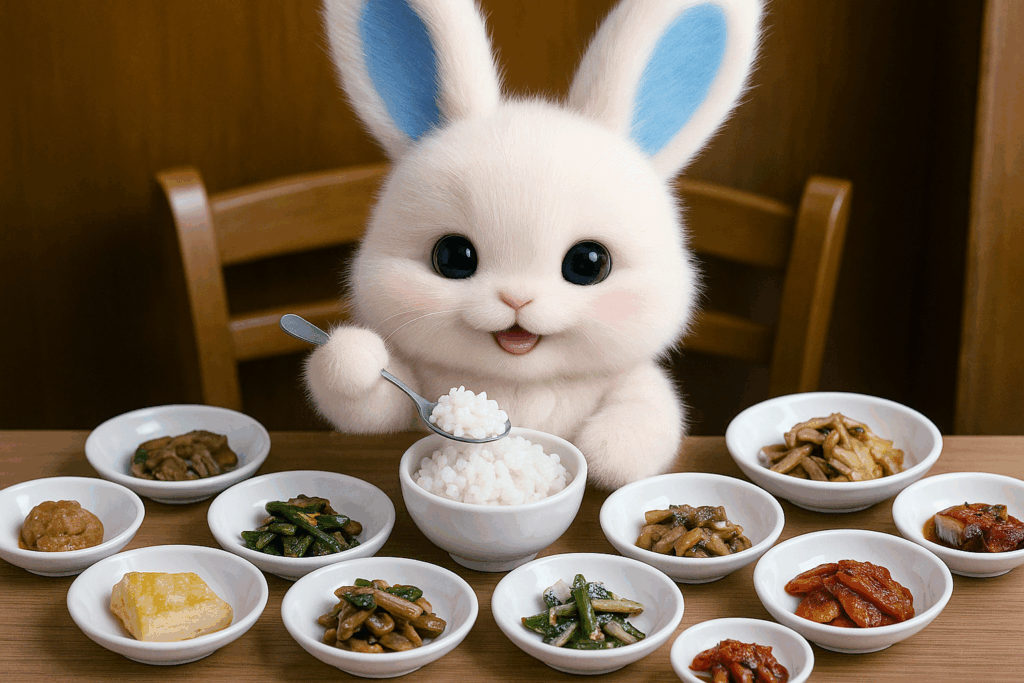
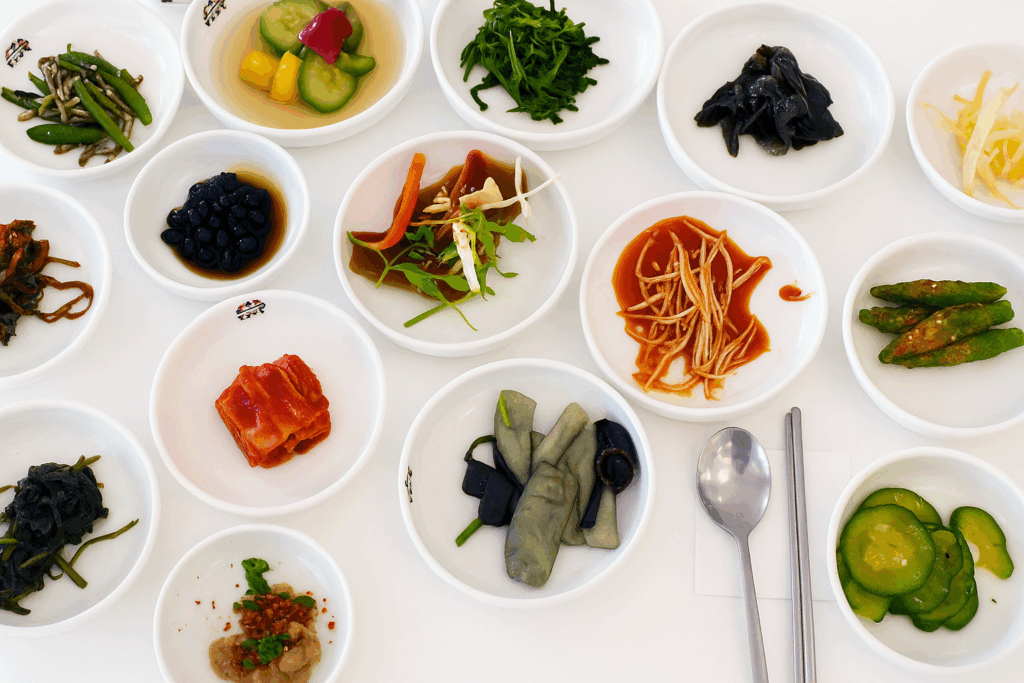
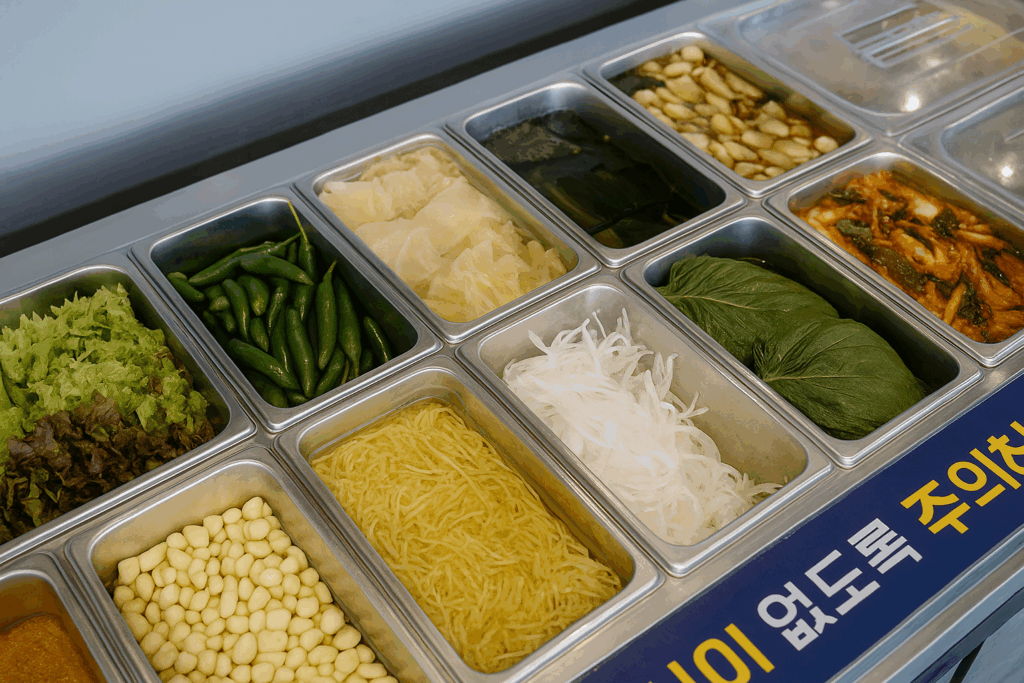
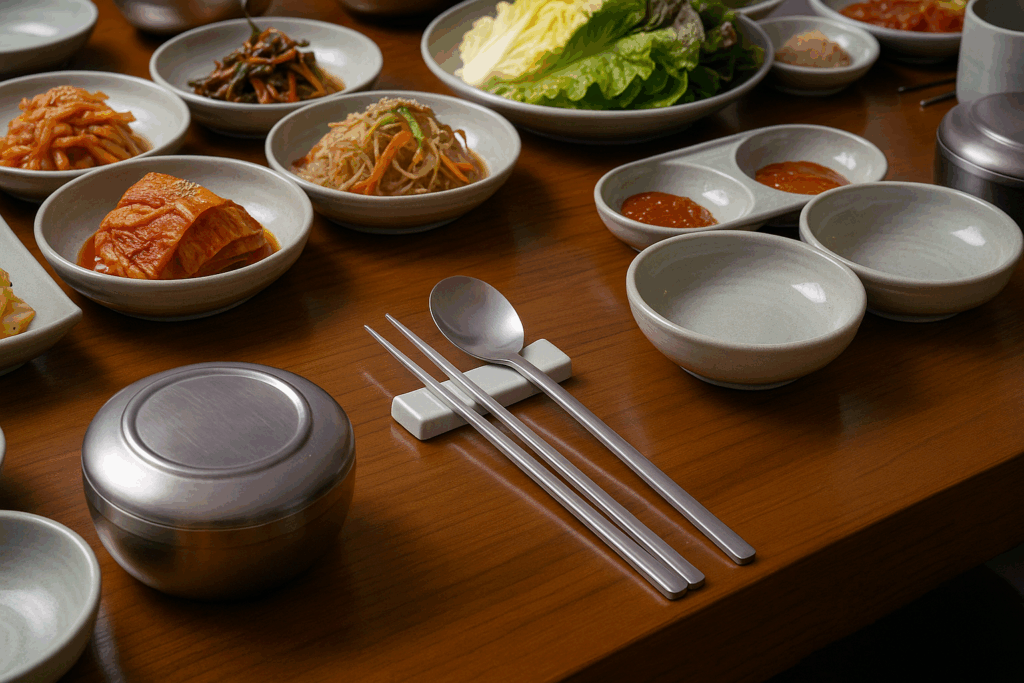
If you watch Korean dramas or movies, you’ll see scenes in which people sitting in a restaurant have tables full of plates in front of them, and it’s not just for show! In Korean restaurants, various small plates are placed on the table even without ordering. These are called “side dishes” (반찬). Kimchi is always served as a staple, along with complimentary dishes such as seasoned vegetables (나물) and pickled vegetables (장아찌), which complement the main course.
Sharing
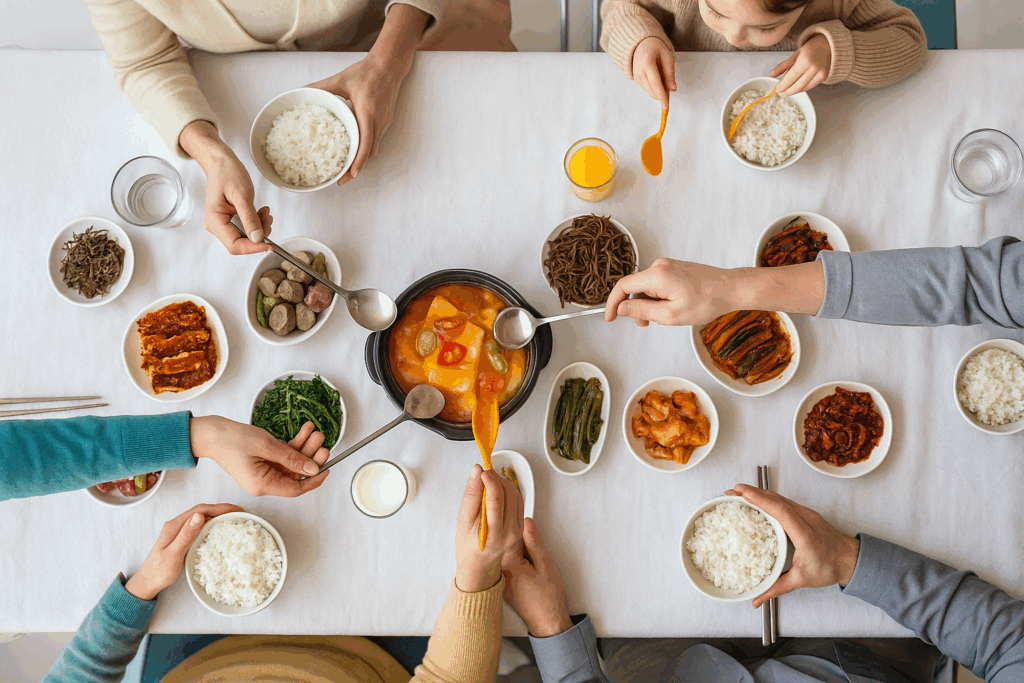
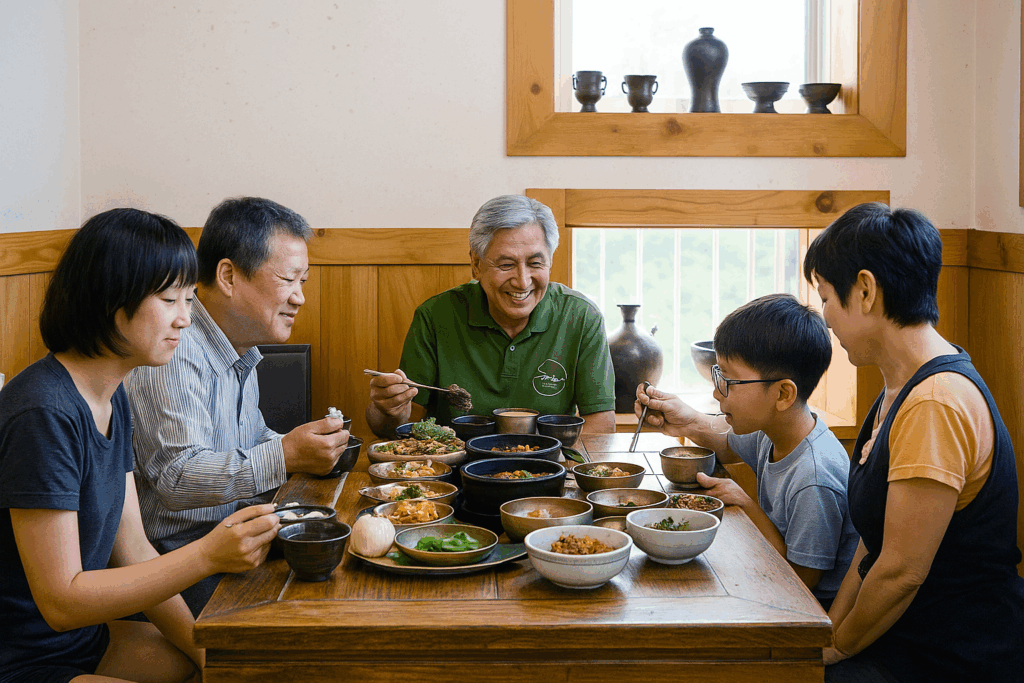
Side dishes are generally meant to be shared by everyone at the table.
It’s customary to share them directly from the large communal plates rather than transferring them to individual plates.
Refilling
Side dishes are provided at no extra cost and can be refilled as much as you like.
(Note: Refills are only available for side dishes.) You can request more by saying, “Please bring more side dishes,” or by showing an empty plate to a server.
② Basic Meal Etiquette
Reflecting Korea’s deep appreciation for meals, the culture of eating together emphasizes consideration for those at the table.
Place bowls on the table
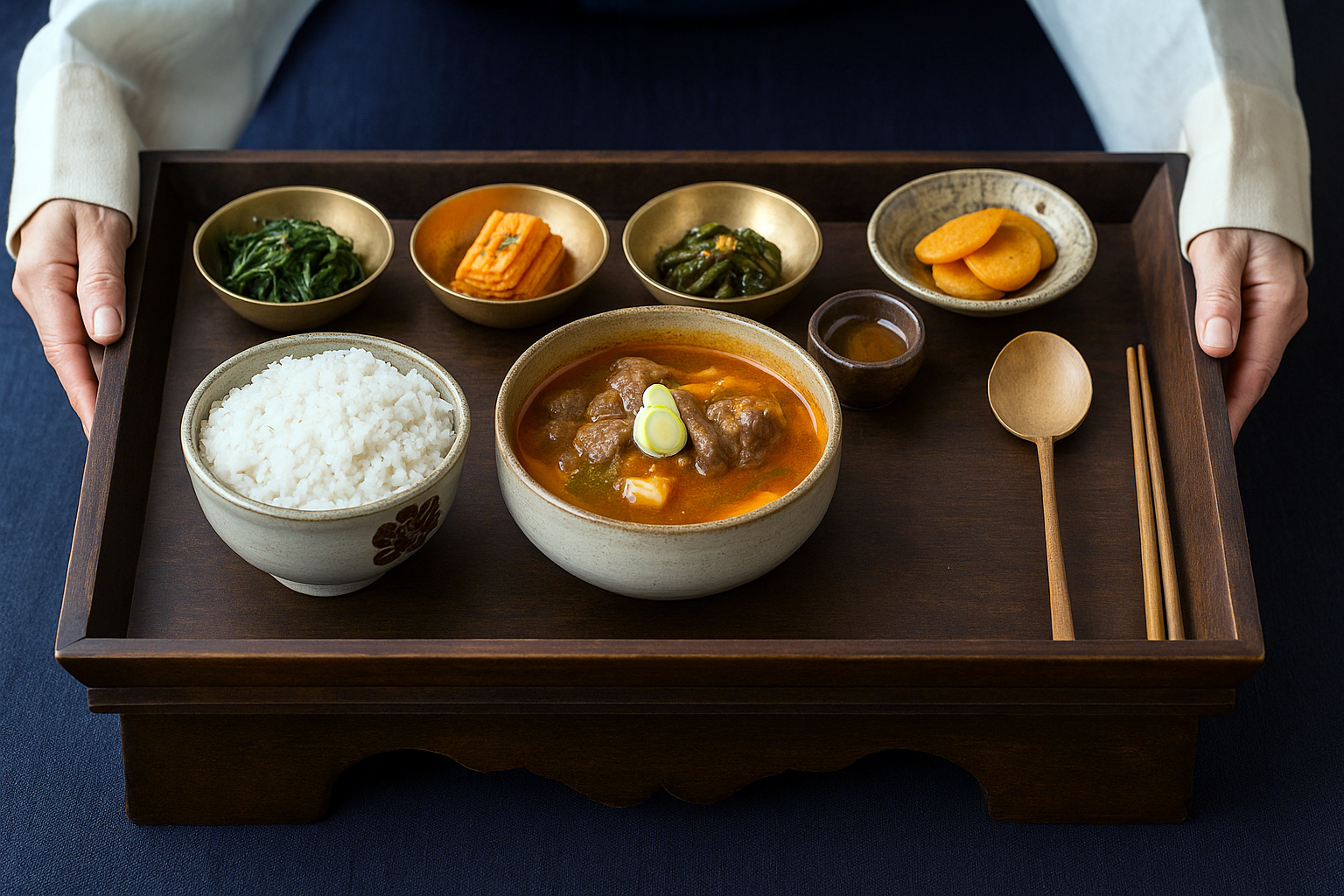
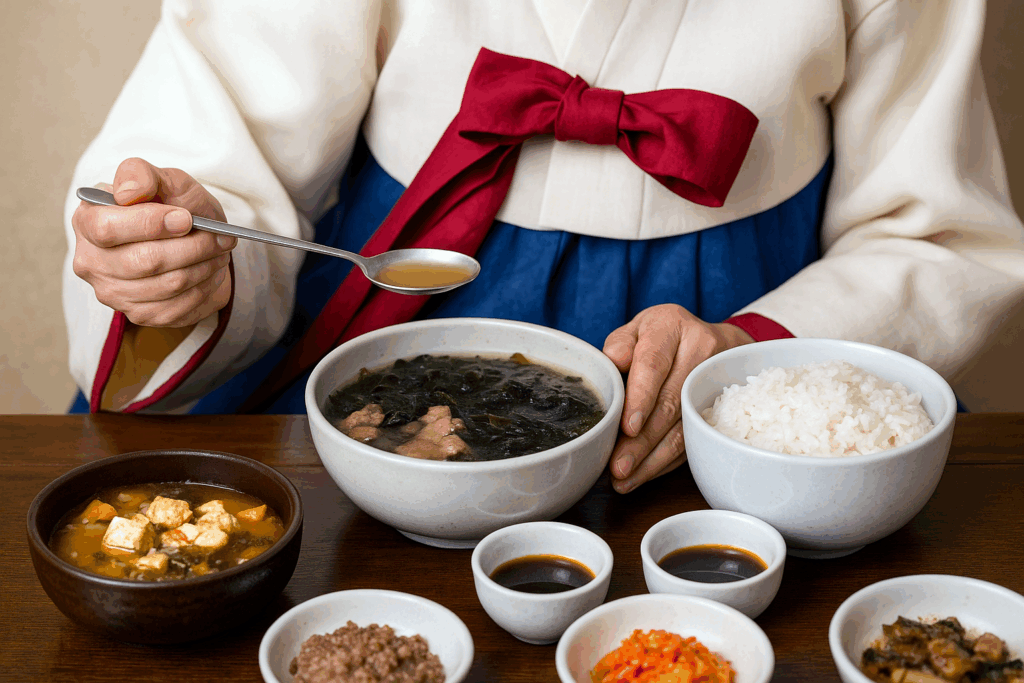
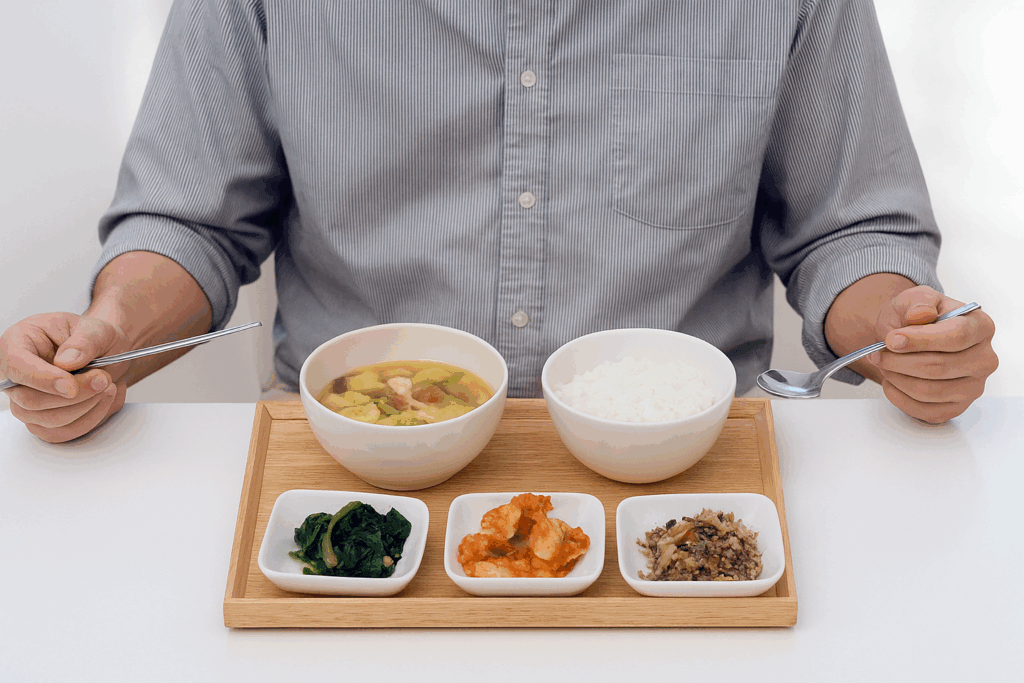
In Korea, it is considered impolite to hold rice or soup bowls in your hands while eating. It is customary to place bowls of food on the table and use a spoon to eat.
Elders first
When dining with older adults, wait until they pick up their spoon before beginning your meal.
No clatter
Take care to avoid clattering spoons or chopsticks against bowls while eating.
Sneezing is okay, but blowing your nose is not.
It’s acceptable to sneeze by turning your head and covering your mouth when seated together at a table. However, blowing your nose at the table is considered impolite.
③ Payment and Tips
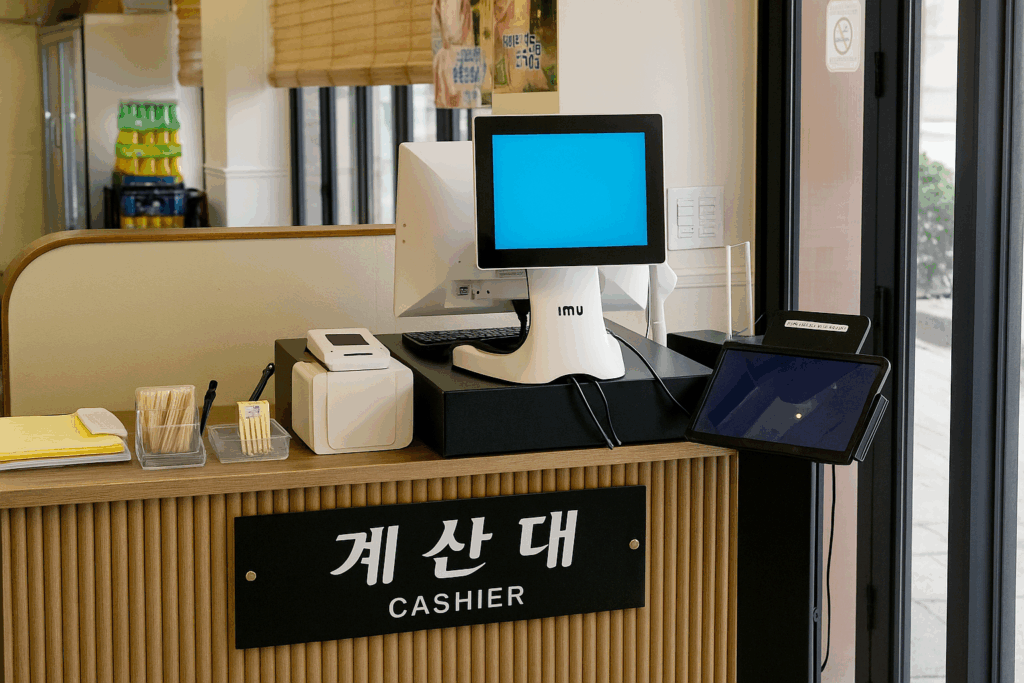
Pay at the counter. In Korea, it’s common to go directly to the counter to pay after finishing your meal. If you need to pay, simply get up and go to the counter.
No tipping
Korea does not have a tipping culture. Korea does not have a tipping culture. Service charges and taxes are included in the price of the food, so you only pay the amount listed on the bill.
Convenient, right?
④ You’ll find these in Korean restaurants.
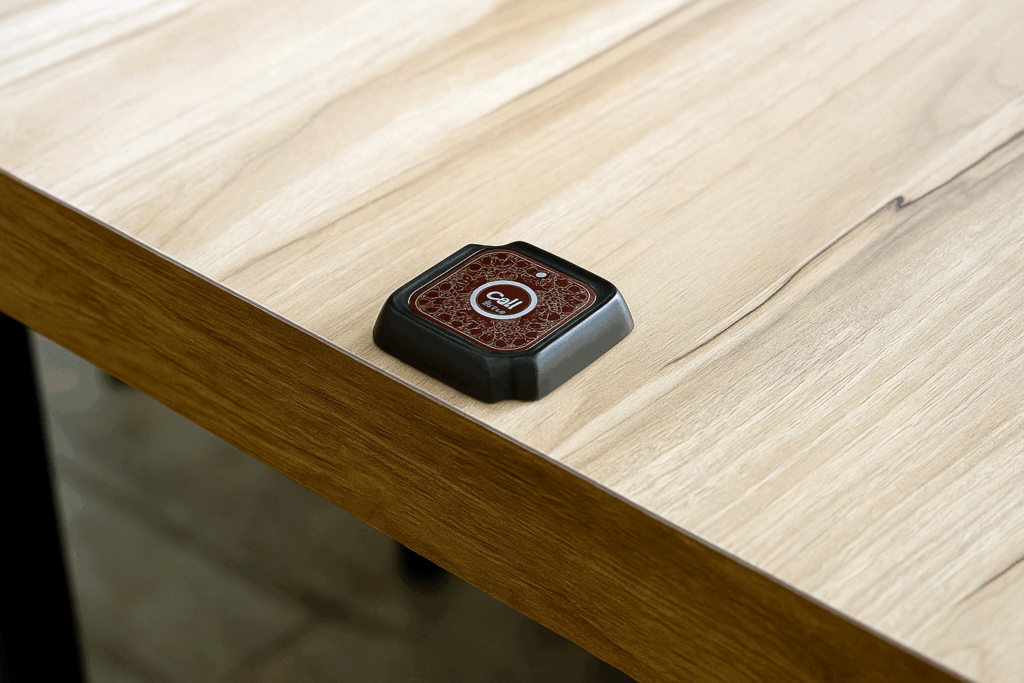
🛎️ Table buttons
Most Korean restaurants have small buttons attached to the tables that you can press to call a server. When you want to order or request something, look for the button and press it. You can effortlessly summon a server.
☕️ Coffee and candy
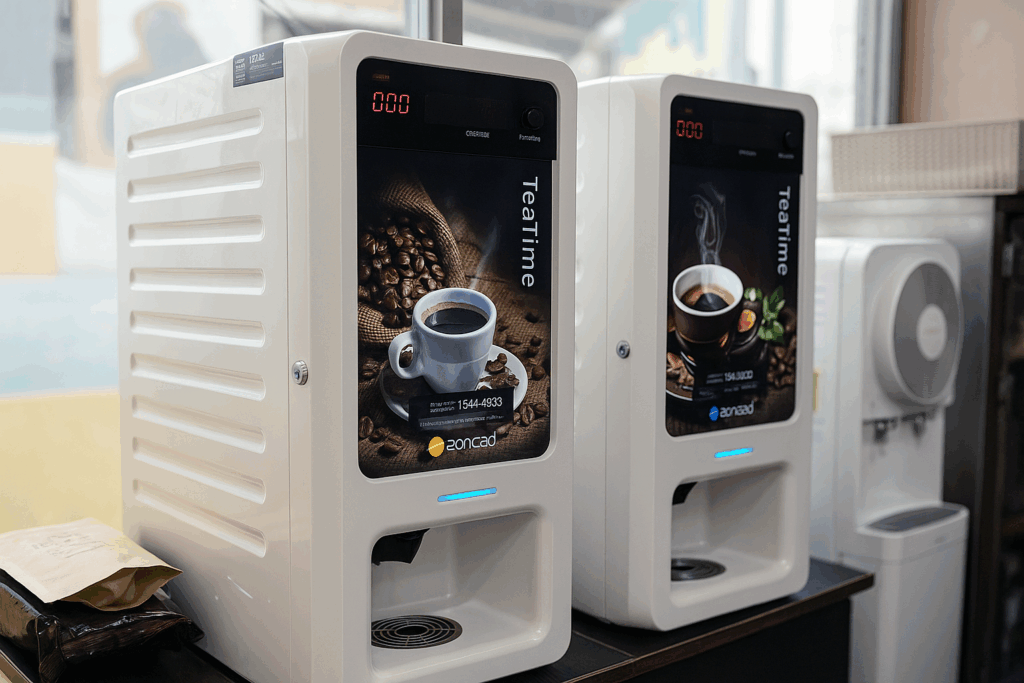
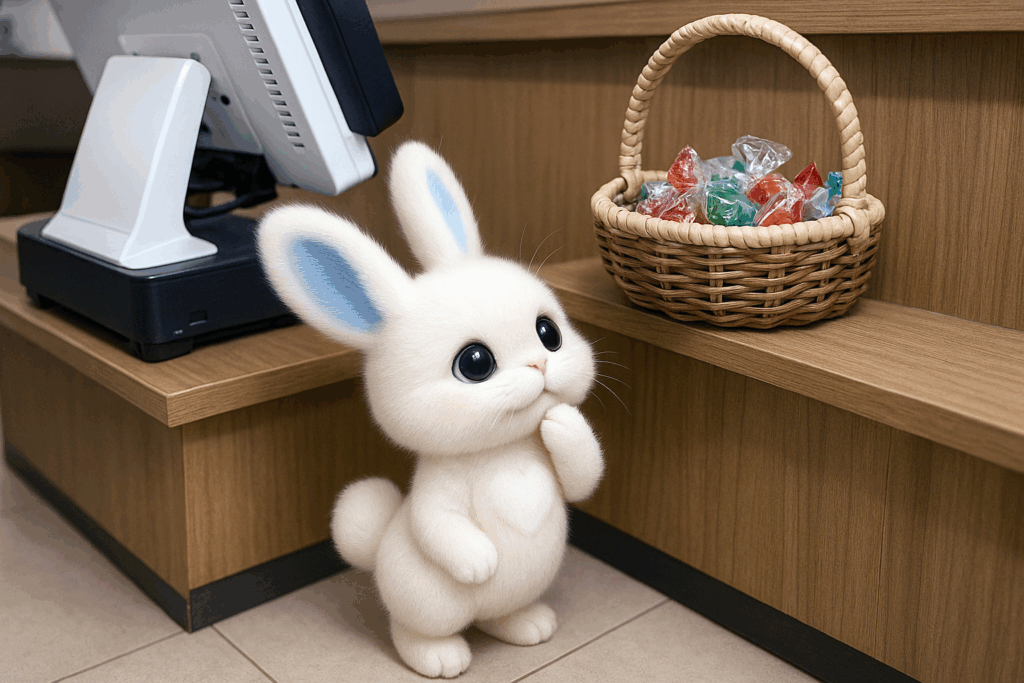
You’ll also find coffee vending machines and candy at the counter. Many Korean restaurants also have coffee vending machines for customers who have finished their meals. These machines offer Korean-style milk coffee. If you see candy at the counter when you go to pay, take some. That’s a small gift for customers. Feel free to take some.
💧 Water, please!
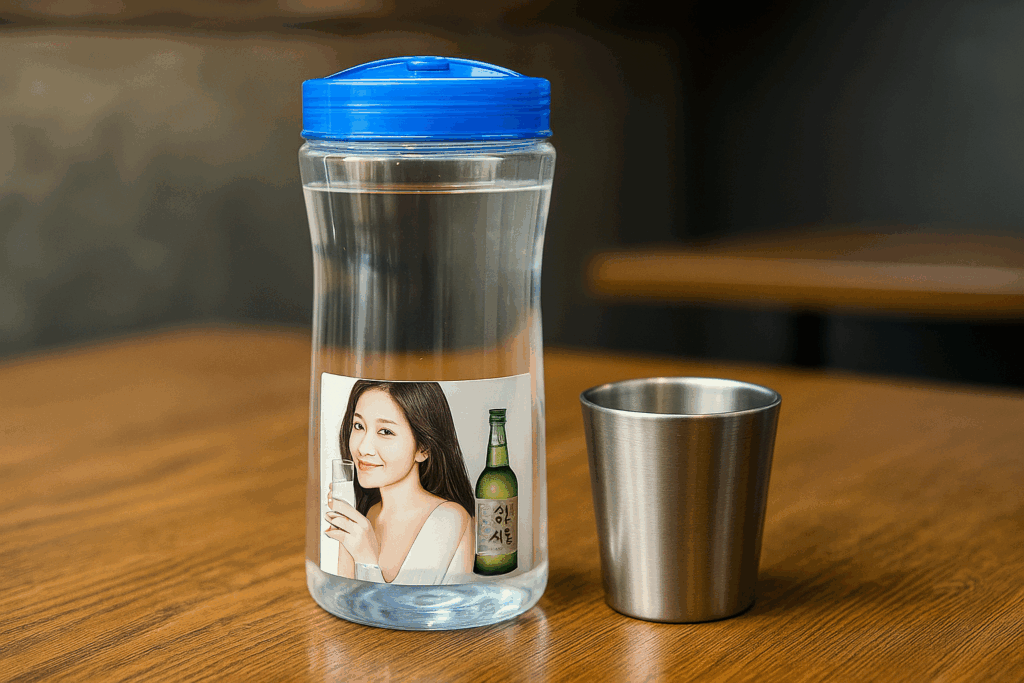
In Korea, it’s not just about the side dishes. Most restaurants provide water as a standard. Since most restaurants have water purifiers, you can request as much water as you need and use the purifier.
In Korea, a meal is more than just filling your stomach. From the endless refills of small side dishes, to dining etiquette that prioritizes elders, to the single piece of candy offered at the register, every detail reveals the warmth and cultural lifestyle of Koreans. While it may feel unfamiliar at first, once you understand and experience this culture, you’ll find yourself sitting at the table as naturally as a local. Korean restaurants are always open, and sharing delicious food is one of the richest and most lasting memories you’ll have from your journey. 🍲✨